
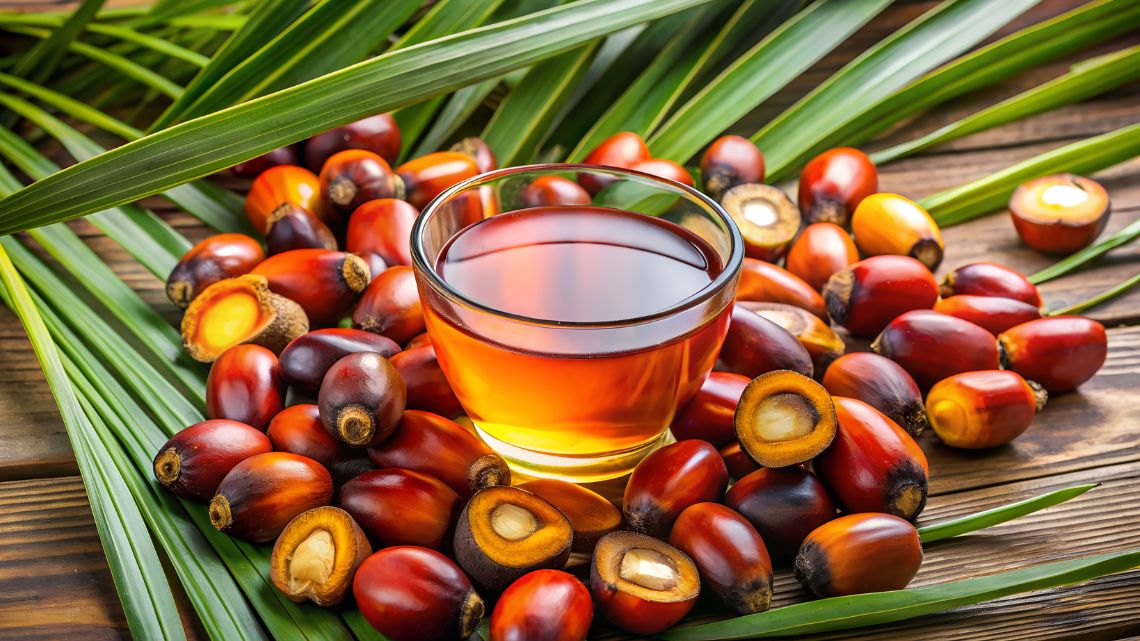
Palm oil has long been one of Malaysia’s most powerful economic engines. It built towns, shaped trade routes, and fed industries from food to fuel. For years, the country stood as a quiet but firm leader in a market that touched almost every shelf in the world. But the palm oil story is now at a turning point. Global rules are tougher, green norms are strict, and buyers want proof that the oil they use is clean, fair, and kind to the earth.
Malaysia is under new pressure, but also at the edge of a rare chance. The next rise of the palm oil trade will not come from scale, but from trust, tech, and traceability. The question now is clear: can Malaysia lead the next phase of this vast, global market?
A Commodity Under Siege
Palm oil has faced a storm of criticism from Western markets. Claims of forest loss, weak labor norms, and haze crises pushed many regions, the EU in particular, to tighten their rules. The EU Deforestation Regulation, which will soon take full effect, demands strict proof that no forest was cleared to grow the oil.
For Malaysia, these rules strike at the core of an industry that supports more than half a million small farms. A wrong step can mean blocked trade, lost jobs, and real harm to rural life. Yet the government has made its stance clear: it aims not to fight the rules, but to rise above them.
This shift marks the birth of what many officials now call the new palm oil economy, one built on clean growth, solid science, and open proof of care for land and people.
Tech on the Ground: A New Way to Grow
The new palm oil push starts with the land itself. Old seeds, old tools, and old ways once slowed yields and drove farms to clear new soil. Now, Malaysia is turning to tech to solve this.
High-yield seeds from local research centers help farms grow more fruit on less land. Drones map soil and spot pests long before harm spreads. AI tools track weather, crop health, and water use. Small farms, once far from tech, now use simple apps to log farm work and show the full life of each crop.
These changes don’t just raise yield; they build trust. When buyers can see where fruit came from and how it was grown, palm oil shifts from a risky buy to a clean, traceable good.
The New Currency of Trust
In the new palm oil trade, the most prized asset is not the oil itself, it is data. Proof of land use. Proof of clean rights. Proof of no new forest cleared. Proof of fair work and fair pay.
Malaysia’s big move is the nationwide trace system, designed to track palm fruit from farm to mill to ship. This “full-chain view” lets buyers verify each step of the process. Large firms already use blockchain to seal their records in ways that cannot be changed or erased. Mills now scan loads, tag fruit, and track farm IDs so each batch has a clear, open trail. For global buyers, this level of clarity is rare. For Malaysia, it is a chance to turn a defensive stance into a strategic edge.
A New Deal for Small Farms
Any palm oil future must include small farms, the heart of Malaysia’s crop. They make up more than 40% of the land used to grow palm. If they fail to meet new global rules, the whole supply chain feels the shock.
Malaysia has taken steps to help: training hubs, grants for better seeds, low-cost tech tools, and sustainability schemes that link farms to mills with shared rules. The goal is simple but vital: raise the floor, not just the ceiling. When small farms thrive, the industry stands firm. When they lag behind, the whole chain breaks.
This push also helps address long-standing concerns about labor. Digital logs, worker IDs, and new wage rules create clearer lines of proof, something global buyers want, and fast.
Competing in a Cleaner World
While Malaysia races to adapt, Indonesia, its closest rival, is also upgrading its industry. At the same time, global food giants are moving to strict green sourcing. Even markets once open and easy now demand audits and clear land rights.
But Malaysia has a unique edge: it can move fast. Its smaller size, strong public bodies, and long-standing research centers give it a rare mix of speed and skill. Unlike other markets, Malaysia can enforce rules across the full supply chain and verify that farms move in step with global norms.
In a world where green claims are often thin and shaky, Malaysia’s chance is to offer what others cannot: verifiable, clean palm oil at scale.
A Future Built on Proof, Not Promise
The new palm oil economy is not a soft shift. It is a full reset of how the industry grows, trades, and proves its worth. The core idea is simple: if the world wants clean goods, the way to lead is not to resist, but to outdo.
Malaysia’s task now is to stay ahead of fast-changing rules, keep small farms strong, and show that palm oil can be part of the climate solution, not the problem. If the country gets this right, palm oil will move from a trade under fire to a global model for how big crops can grow in a clean, fair, and smart way.
In the end, the fight for the future of palm oil is not about land, it is about trust. And Malaysia is on the path to making that trust its new export.